
What is The Self-Sufficient Backyard?
The Self-Sufficient Backyard is a project book by Ron and Johanna Melchiore, a couple in their 60s who joined the "back to the land" movement in the late 1970s and have lived without a grid connection ever since, first in Saskatchewan and now in Nova Scotia.
The book is built around a plan for a quarter-acre homestead that can be scaled down to a typical suburban backyard. Each section explains one part of the system, from soil and water to food storage and power, with illustrations and practical tips from their own property.
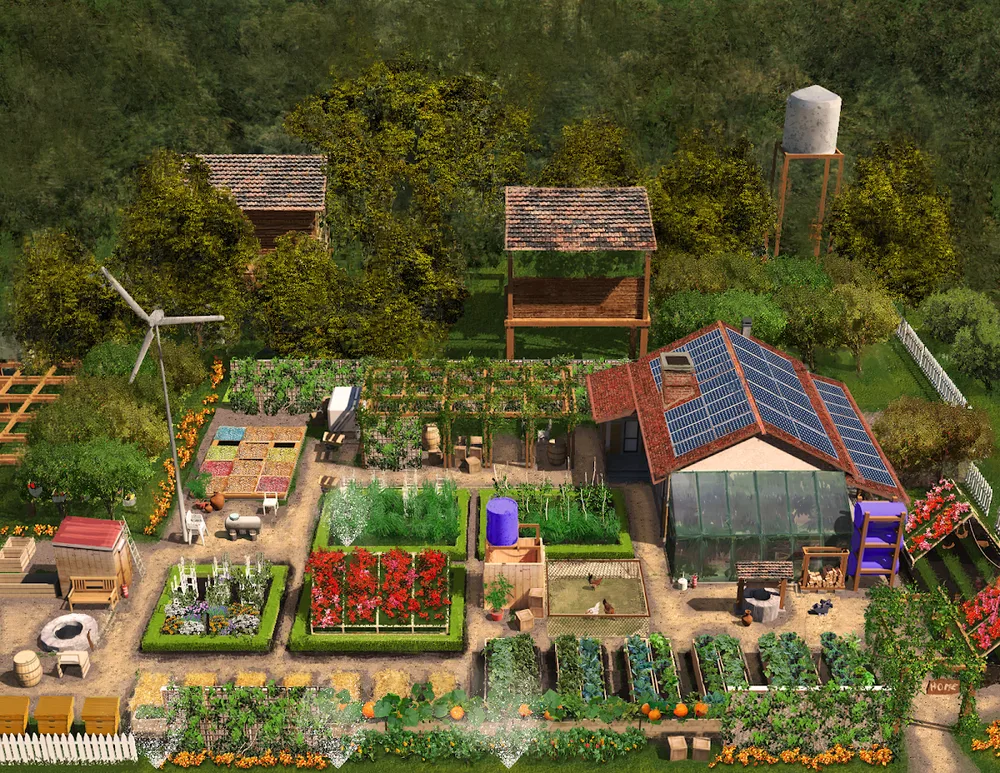
What's inside the book
- A year-round greenhouse on the south side of the house, including how to store heat overnight and an optional geothermal upgrade.
- Water: rainwater collection with low-cost tanks, wells and hand pumps, and an off-grid hot water setup.
- Growing food: a mason jar soil test, companion planting, straw bale gardening, dwarf fruit trees and a 12-month planting calendar.
- Living without refrigeration: how to preserve eggs, vegetables, fruit and meat, plus an underground "earth fridge".
- Chickens: housing, feeding and care for a small backyard flock.
- Off-grid power: how they size and set up a hybrid solar system with batteries, controller and inverter.
- 75+ DIY projects such as hoop tunnels, raised beds, trellises, a walipini and an automatic irrigation system.
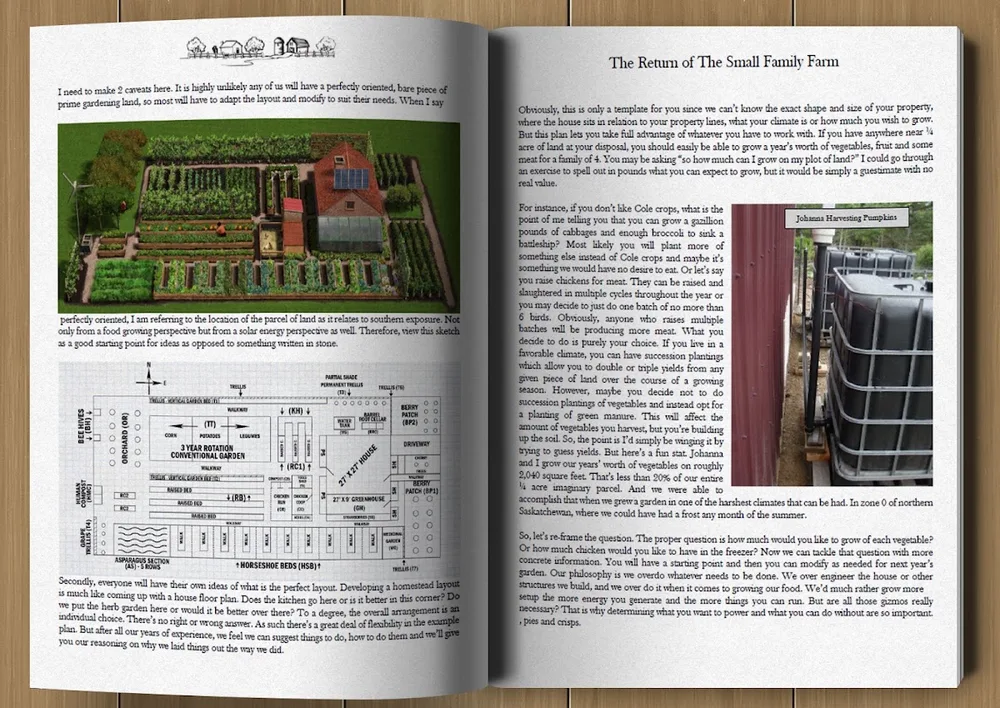
The bonuses
The official page lists three digital bonuses: The Aquaponic Gardener (growing vegetables and fish in one system), DIY Projects from the 1900s (smokehouses, root cellars, solar water heaters and more) and a guide to where free land can still be found in the US. Treat land programs as a starting point for your own research, since availability and rules change. Bonuses can change, so confirm the current offer before ordering.
Price and guarantee
| Formats | Printed book (with digital access) or digital-only edition |
|---|---|
| Price | About US$ 37 at the time of writing; shipping may apply to the printed book |
| Guarantee | 60-day money-back guarantee |
| Checkout | Processed by ClickBank, the retailer of record |
Prices can change, so always confirm on the official page before you buy.
Make your backyard work for you
See today's price and both formats on the official page.
Get The Self-Sufficient Backyard →60-day money-back guarantee · Secure checkout via ClickBank
Pros and cons
What we like
- Written by people who have actually lived this way for decades.
- Concrete projects with drawings, not just general advice.
- Works in stages: you can start with one bed or one rain barrel.
- Choice of printed or digital edition.
Keep in mind
- Many projects need some tools, materials and weekend time.
- Their methods come from a cold Canadian climate; adapt them to your zone.
- Full self-sufficiency needs more land than a small yard; most readers will use it to cut costs, not to go fully off-grid.
- The sales page is very promotional; the book itself is practical.
Safety notes
Check local rules before building: many towns regulate backyard chickens, rainwater collection, greenhouses and solar systems. Battery banks and electrical work carry real fire and shock risks, so have a licensed electrician review any connection to your house. For preserving meat and low-acid vegetables, follow tested guidance such as the USDA Complete Guide to Home Canning.
Who should buy it?
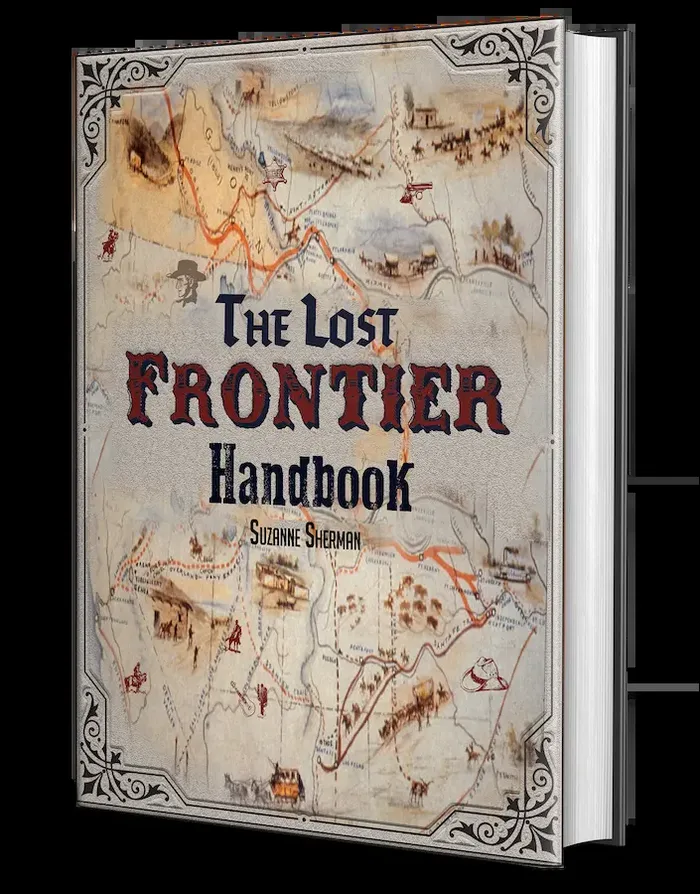
The Self-Sufficient Backyard is a great fit if you already garden a little and want to take on real projects: a greenhouse, rain barrels, a few chickens or a small solar setup. If you are just starting and want a broad overview of old-time skills first, the Lost Frontier Handbook is an easier entry point.
Frequently asked questions
Do I need a big property?
No. The plan is drawn for a quarter acre, but the authors explain how to scale it down, and many projects work in a small yard, on a porch or on a windowsill.
Is it suitable for seniors?
The authors are in their 60s and designed their latest homestead to be low-maintenance. You can choose the lighter projects and add more over time.
What if it's not for me?
The official page lists a 60-day money-back guarantee. Keep your ClickBank receipt; refunds can be requested through ClickBank's customer support.
Our verdict
The Self-Sufficient Backyard is the most hands-on book in our list: a real couple's 40 years of trial and error turned into projects you can copy. Start with one or two projects that fit your space and budget, and it can lower your grocery and utility bills while making your home more resilient.
The Self-Sufficient Backyard
Greenhouse · water · garden · chickens · off-grid power · 3 digital bonuses
Check availability on the official site →60-day money-back guarantee · We may earn a commission, at no extra cost to you
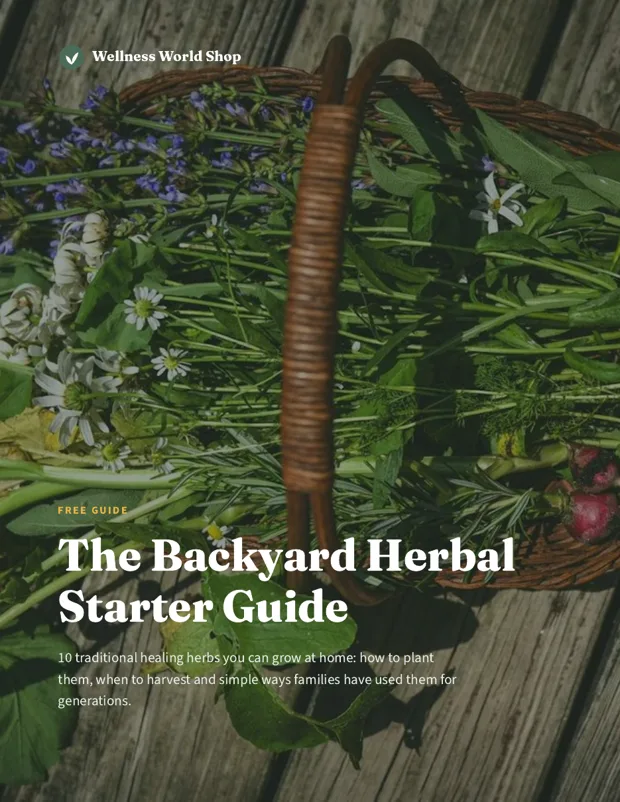
Free guide
10 healing herbs you can grow at home
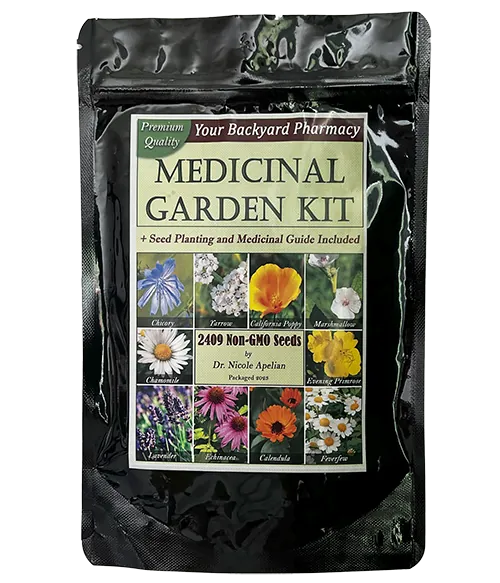
Get our printable Backyard Herbal Starter Guide free: planting, harvesting and safety notes for chamomile, calendula, echinacea and more.
Related guides
This review is based on the official product information and publicly available details, not on a paid endorsement. Product images are provided by the seller. See our affiliate disclosure.