Home › Herb garden guides
6 easy medicinal herbs to grow at home for beginners
Short answer: chamomile, calendula, peppermint, lemon balm, lavender and thyme are a forgiving place to start, in a garden bed or in pots. Most want about six hours of sun and soil that drains well. "Medicinal" here means traditionally used: the research behind these plants is still limited, so enjoy them as a garden and a cup of tea, and don't use them in place of medical care.
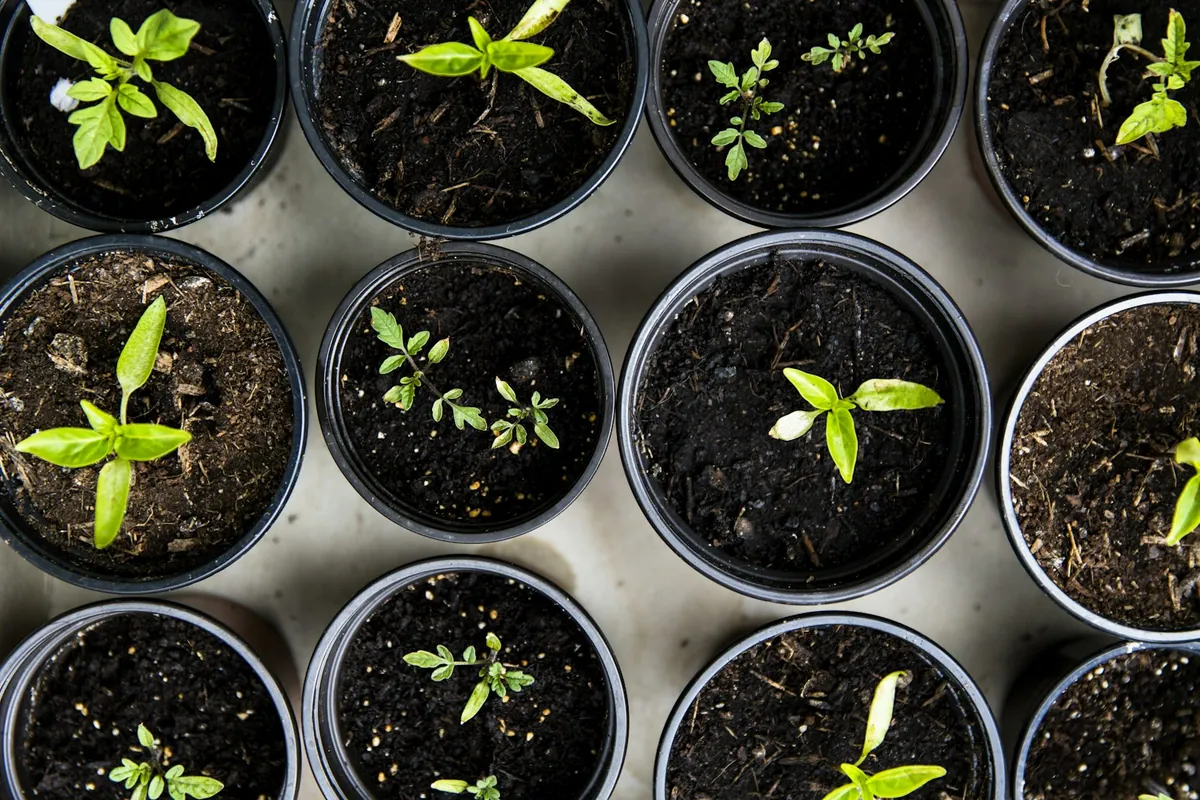
Two things that matter more than the herb you pick
Sun: most herbs prefer at least six hours of direct sun a day. Drainage: University of Maryland Extension calls it probably the most important single factor, because herbs won't grow in wet soil. If your ground stays soggy, use a raised bed or pots with drainage holes, and go easy on fertilizer, which can encourage root and stem rot.
The six herbs at a glance
| Chamomile | German chamomile is a cool-season annual, about 18 inches tall, that's easy to grow from seed sown in early spring and will reseed itself. Roman chamomile is a low perennial ground cover. |
|---|---|
| Calendula | Easy in any well-drained soil in full sun, and fine in containers. Sow just before your last frost date, ¼ to ½ inch deep, because light inhibits germination. Remove spent flowers to keep it blooming. |
| Peppermint | Keep it in a pot. Mint spreads aggressively underground and will take over a bed. Start from a plant or cutting, since mint seed doesn't come true to type. It takes sun or light shade. |
| Lemon balm | About 1½ feet tall, happy in sun or part shade with well-drained soil. It spreads and self-sows readily, so a container is the easy way to keep it in check. |
| Lavender | Needs full sun and excellent drainage. Buy a started plant, because the seed is tricky to germinate and cuttings are the better way to propagate it. |
| Thyme | Plant in full sun in very well-drained soil that stays dry. It grows well in containers. |
Free guide: 10 herbs you can grow at home
The Backyard Herbal Starter Guide covers how to plant, harvest, dry and store each herb, plus the safety notes most guides leave out.
Get the free guide →10-page printable PDF · beginner friendly
What the evidence says
The National Center for Complementary and Integrative Health (NCCIH, part of the NIH) has reviewed several of these plants.
- Chamomile: NCCIH says studies haven't produced enough reliable evidence to rate its clinical usefulness. For insomnia, a 2019 review found only one study, and it showed no benefit.
- Lavender: a specific lavender oil product taken by mouth may help anxiety, but more high-quality research is needed. That research tells us little about a sprig from your garden.
- Peppermint: most research is on peppermint oil for irritable bowel syndrome, usually in enteric-coated capsules. For peppermint leaf, NCCIH says there isn't enough evidence for any condition.
- Lemon balm: a 2024 review in the journal Nutrients said it holds promise as a calming agent, while noting that few robust clinical trials have been published.
- Calendula: University of Wisconsin notes it was used historically as medicine and as a dye. The fresh petals are edible and used as a garnish.
- Thyme: we didn't review health evidence for it. It's on this list because it's easy to grow and useful in the kitchen.
Harvesting and drying
The National Center for Home Food Preservation (NCHFP) says the best time to harvest most herbs for drying is just before the flowers first open. Pick in the morning after the dew has dried, rinse in cool water and shake dry.
Tie sturdy herbs like thyme into small bundles and hang them. Tender herbs, including lemon balm and the mints, will mold if they don't dry quickly, so hang small bunches inside paper bags with holes torn in the sides, or lay the leaves on paper towels. Sun drying isn't recommended.
Leaves are ready when they're crispy and crumble easily between your fingers. Store them in airtight containers in a cool, dry, dark place. If you see moisture inside a jar, use the contents right away or dry them again.
Safety notes to read first
- Daisy-family allergies: people allergic to ragweed, chrysanthemums, marigolds or daisies are more likely to react to chamomile, and reactions can be severe. Calendula belongs to the same plant family, so take the same care with it.
- Medications: NCCIH reports interactions between chamomile and warfarin, and it notes chamomile might reduce the effect of birth control pills. Lavender may in theory interact with sedatives. Ask your doctor or pharmacist before using any herb if you take any medicine.
- Pregnancy and breastfeeding: little is known about the safety of chamomile or lavender during this time, and only food amounts of peppermint are considered likely safe. Check with your provider first.
- Children: peppermint oil should never go on the face of an infant or young child, because the menthol can cause serious effects if inhaled.
- Herbs in oil: herbs and oil are both low-acid and together could support the bacteria that cause botulism. NCHFP says to wash the fresh herbs and dry them completely, keep the flavored oil in the refrigerator and use it within 2 to 3 days. There are no canning recommendations for it, which puts it alongside other foods you shouldn't can at home.
Want a ready-made seed set?
If you'd rather begin with a set of seeds and a guide, we looked at one option in our Medicinal Garden Kit review, including who should skip it.
Frequently asked questions
Will chamomile tea help me sleep?
The evidence doesn't back it as a sleep treatment, though NCCIH considers chamomile likely safe in the amounts found in teas, apart from the cautions above. If poor sleep is ongoing, talk to your doctor.
Are calendula and marigold the same plant?
No. Calendula is often called pot marigold, but it shouldn't be confused with true marigolds, which are species of Tagetes. Look for Calendula officinalis on the packet.
Sources: NCCIH: Chamomile; NCCIH: Lavender; NCCIH: Peppermint Oil; Mathews et al., Nutrients, 2024 (lemon balm review); Asteraceae allergy review (PMC); Clemson HGIC: Herbs; University of Maryland Extension: Care of Herbs; University of Illinois Extension: Mint; University of Wisconsin: Calendula; Clemson HGIC: Drying Herbs; NCHFP: Drying Herbs; NCHFP: Canning FAQ. This article is educational and is not medical advice; see our medical disclaimer.
Free guide
10 healing herbs you can grow at home
Get our printable Backyard Herbal Starter Guide free: planting, harvesting and safety notes for chamomile, calendula, echinacea and more.