Home › Buying guides
Best intermittent fasting books: which one fits your goal and age
Short answer: the best intermittent fasting books depend on the schedule you want. Pick Eat Stop Eat if you'd rather fast one or two full days a week, Fast. Feast. Repeat. if you want a daily eating window with a 28-day starter plan, and The Complete Guide to Fasting if you want to compare many protocols. Before any of them, read the free National Institute on Aging page, especially if you're over 60 or take medication.

Most lists of the best intermittent fasting books give ten titles and a line each. This guide compares three well-known books and one free official source by who each one fits, including beginners and women over 50 or 60. We haven't tested these books ourselves; we compared what the publishers' pages say with what the research supports.
Quick comparison
| NIA fasting page (free) | What's known and unknown about fasting, in plain language. Best first read, especially over 60. |
|---|---|
| Eat Stop Eat (Brad Pilon) | One or two 24-hour fasts a week, normal eating the other days. Best for healthy adults who dislike daily rules. We couldn't confirm today's price on the official site, so check it there. |
| Fast. Feast. Repeat. (Gin Stephens) | Daily eating-window approach with a 28-Day FAST Start and a large FAQ; 352 pages. US$ 19.00 for the trade paperback on the publisher's page (checked on November 19, 2026). |
| The Complete Guide to Fasting (Jason Fung) | Covers 16:8, 20:4, alternate-day and extended fasts, with a 7-Day Kick-Start plan and 20 recipes. The publisher's page links to stores without showing a price. |
Start free: the NIA page
The National Institute on Aging explains the main patterns in a few minutes: time-restricted eating (meals inside about 6 to 8 hours a day), alternate-day fasting, the 5:2 pattern and longer periodic fasts. It's also honest about the limits. Most trials so far have typically recruited adults age 60 or younger, and NIA writes that there's "insufficient evidence to recommend any type of calorie-restriction or fasting diet," with more to learn about safety, especially in older adults.
Who it's for: everyone, before buying anything. Your public library may also carry the paid titles below.
Eat Stop Eat: the weekly 24-hour fast
Eat Stop Eat is Brad Pilon's book about taking a full day off from eating once or twice a week and eating normally the rest of the time. It's one simple routine instead of daily windows.
Who it's for: healthy adults who want a flexible weekly routine and don't want to count calories. Skip it if you take diabetes medicine, need food with your medications, are pregnant or breastfeeding, or have a history of eating disorders. Want to see how a weekly fast works before buying? Read our guide to the 24-hour fast once a week.
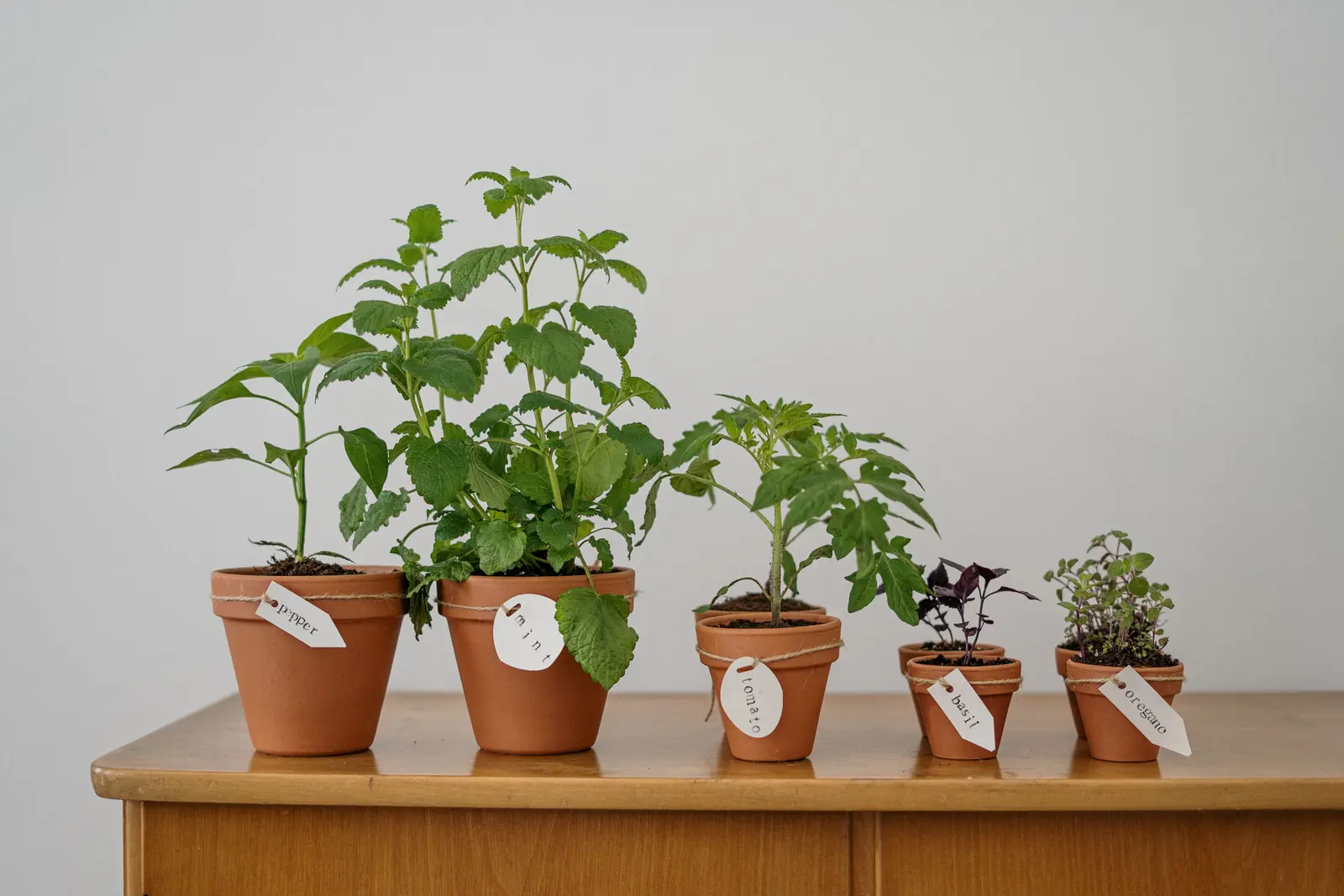
Free guide: 10 healing herbs you can grow at home
If you like simple, kitchen-first habits, our free starter guide covers how to plant, harvest and traditionally use 10 easy herbs.
Get the free guide →Free 10-page PDF · no spam
Fast. Feast. Repeat.: the daily-window starter plan
Gin Stephens' book, published by St. Martin's Griffin in 2020, teaches what she calls the "Delay, Don't Deny" intermittent fasting lifestyle and shows how to fit several fasting approaches into different schedules. Beginners follow a 28-Day FAST Start, and the book ends with a long FAQ section. On November 19, 2026, the Macmillan page listed the trade paperback at US$ 19.00.
Who it's for: beginners who like a daily rhythm and a step-by-step first month. Skip it if you want a short read (it runs 352 pages) or you'd rather not think about food timing every day.
The Complete Guide to Fasting: the protocol menu
Jason Fung's book from Victory Belt explains several approaches side by side, from 16:8 and 20:4 to alternate-day and extended fasts, and adds a 7-Day Kick-Start plan and 20 recipes. It's the widest of the three.
Who it's for: readers who want to understand many options before choosing. Skip it if you want one simple plan. Treat the extended-fast chapters with extra caution: if you have type 2 diabetes, the NIDDK warns that some diabetes medicines, such as insulin or sulfonylureas, can make blood sugar drop too low when you skip or delay a meal, so any fasting needs your care team's plan.
Best intermittent fasting book for women over 50 or 60
None of these three books is written specifically for women over 50 or 60, and the research is thinnest for that age group. NIA notes that trials have mostly recruited adults 60 or younger, so their results don't necessarily apply to older people. If you're in this group:
- Talk to your doctor first, especially if you take medicine for blood sugar or blood pressure.
- Choose the gentlest schedule you can keep. A short daily window or a single weekly fast is a smaller change than extended fasting.
- Protect your muscles. Harvard Health notes that weight loss from fasting often includes some lean muscle and strongly advises pairing it with resistance training.
Which one should you pick?
- On a zero budget: the NIA page and your library.
- You hate daily rules: Eat Stop Eat.
- You want a guided first month: Fast. Feast. Repeat.
- You want to compare protocols: The Complete Guide to Fasting.
- You're over 60 or on medication: your doctor before any book.
Frequently asked questions
What is the best intermittent fasting book for beginners?
For a guided daily plan, Fast. Feast. Repeat. and its 28-Day FAST Start. For a simpler weekly routine, Eat Stop Eat. Read the free National Institute on Aging page on fasting diets first.
What is the best intermittent fasting book for women over 50?
None of the popular books is written for this age group, and studies have mostly included adults 60 or younger. Start with the free NIA page and your doctor, then choose the gentlest schedule you can keep, such as a short daily eating window.
Is Eat Stop Eat worth it?
It's a good fit for healthy adults who want one or two 24-hour fasts a week instead of daily rules. See our Eat Stop Eat review for what's inside, the guarantee and who should skip it.
Do I need a book to start intermittent fasting?
No. The NIA page explains the main patterns for free. A book helps if you want structure, a starter plan and answers to common questions in one place.
Prices were checked on the publishers' official pages on November 19, 2026 and can change. Some links go to our reviews; if you buy through a review, we may earn a commission at no extra cost to you (see our affiliate disclosure). NIA, NIDDK, Harvard Health and the publishers are not affiliated with us and don't endorse any product here. This article is educational and isn't medical advice; see our medical disclaimer.
Free guide
10 healing herbs you can grow at home
Get our printable Backyard Herbal Starter Guide free: planting, harvesting and safety notes for chamomile, calendula, echinacea and more.