Home › Herb garden guides
Medicinal herbs to grow in pots (patio and balcony guide)
Short answer: the easiest medicinal herbs to grow in pots are aloe vera, peppermint, lemon balm, chamomile, calendula, thyme, rosemary and sage. Give them a pot with drainage holes, a light potting mix (never garden soil) and at least 4 to 6 hours of sun. "Medicinal" here means traditionally used: the research is still limited, so grow them for the garden and a cup of tea, not in place of medical care.
The basics every pot needs
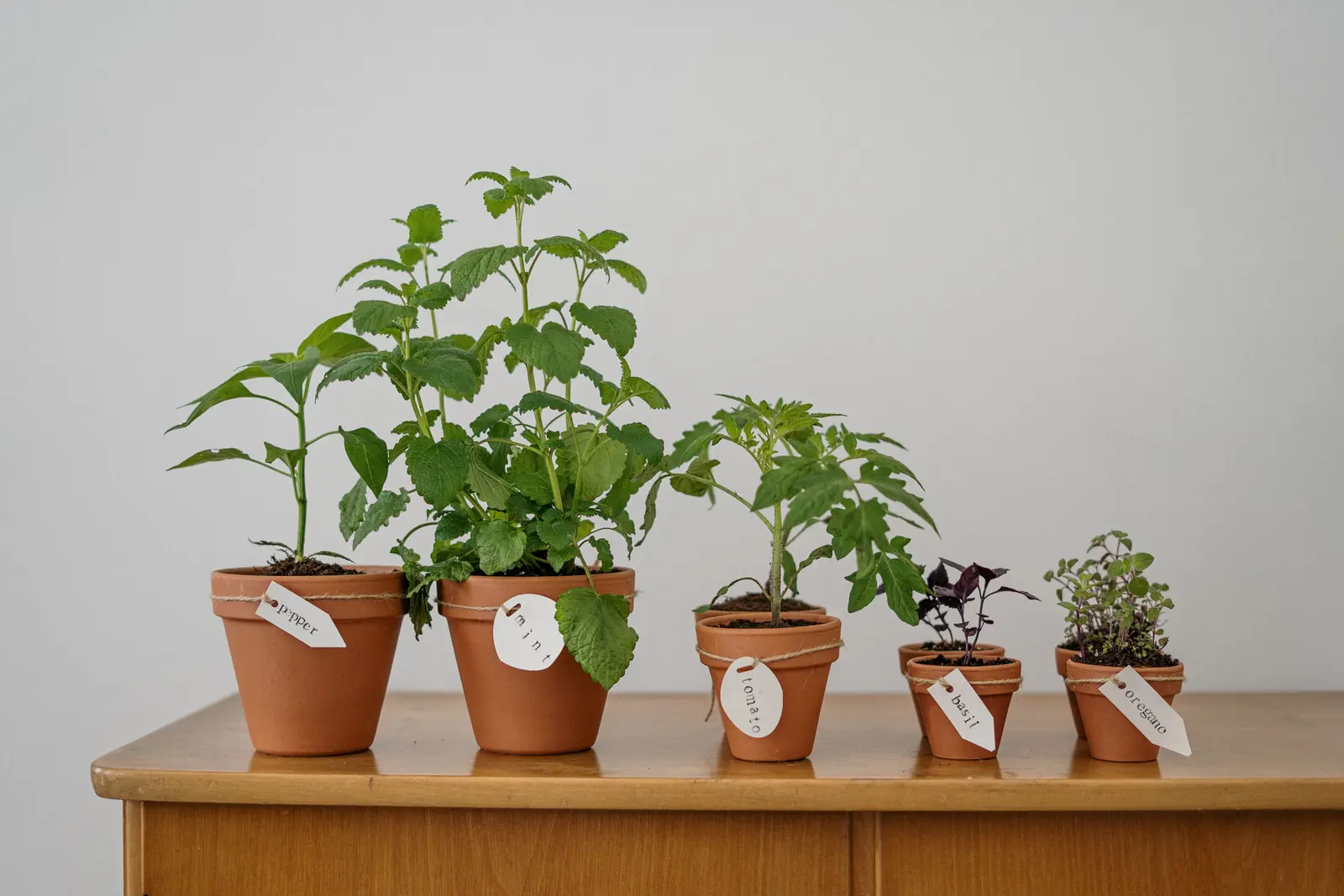
- Drainage holes. Every extension guide we checked says the same thing: no holes, no herbs. Wet roots rot.
- Potting mix, not garden soil. University of Maryland Extension recommends a commercial soilless mix that drains well and is lightweight. Iowa State suggests potting mix, peat moss and perlite in equal parts.
- Sun. Iowa State says container herbs need at least 4 to 6 hours of sunlight a day.
- Water by feel. Water until it drips from the drainage holes, then wait. Some herbs like to dry out between waterings, others like steady moisture, so group pots with similar needs. Clay pots dry faster, and in summer heat small pots may need water once or twice a day.
- Go easy on fertilizer. Herbs need less than most container plants. A light, diluted feeding now and then is plenty.
8 medicinal herbs that do well in pots
| Aloe vera | A succulent for a bright windowsill. South Dakota State Extension says it wants bright, indirect light (strong direct sun can scorch it), a cactus or sandy mix, and soil that dries out completely between waterings. |
|---|---|
| Peppermint | The herb that most needs a pot: mint spreads aggressively underground. Start from a plant or cutting, since seed doesn't come true. It takes sun or light shade. |
| Lemon balm | About 1½ feet tall, happy in sun or part shade. It spreads and self-sows readily, so a container keeps it in line. |
| German chamomile | An easy cool-season annual, about 18 inches tall, grown from seed in early spring. |
| Calendula | Fine in containers in full sun. Sow seeds ¼ to ½ inch deep, and remove spent flowers to keep it blooming. |
| Thyme | Full sun and very well-drained mix that stays on the dry side. Let it dry out between waterings. |
| Rosemary | A perennial shrub in zone 8 and warmer, but not reliably hardy in zone 6 or colder. Illinois Extension suggests growing it as a patio container plant and bringing it in just before frost. Keep the soil on the dry side. |
| Sage | One of the herbs Illinois Extension lists for containers. Like thyme, it should dry out between waterings. |
Free guide: 10 herbs you can grow at home
The Backyard Herbal Starter Guide covers how to plant, harvest, dry and store each herb, plus the safety notes most guides leave out.
Get the free guide →10-page printable PDF · beginner friendly
Small balcony? Start with three pots
If you only have room for a few containers, pair herbs by how they like to be watered. One pot of peppermint on its own (it spreads), one pot of thyme or sage (both like to dry out between waterings), and one pot of chamomile or calendula for flowers. On a windowsill indoors, aloe vera is the low-effort choice. For the in-ground versions of several of these, see our guide to easy medicinal herbs to grow at home.
Bringing pots in for winter
Maryland Extension notes that rosemary, bay, lemon verbena, oregano and marjoram may not survive a cold winter outside and can be overwintered indoors. Illinois Extension advises getting container herbs used to the move in early fall rather than all at once. Indoors, rosemary prefers a cool, sunny spot, and dry leaf tips don't mean it needs more water: overwatering leads to root rot. Indoors, Maryland Extension points to a south or west window with at least five hours of sun.
What the evidence says
The National Center for Complementary and Integrative Health (NCCIH, part of the NIH) has looked at several of these plants.
- Aloe vera: NCCIH says aloe gel on the skin may speed burn healing and reduce burn pain, and is generally well tolerated, though burning, itching and rash have been reported. Taking aloe by mouth is a different story: the latex can cause cramps and diarrhea, and oral aloe may be unsafe during pregnancy and breastfeeding.
- Sage: likely safe in the amounts used in food. Common sage contains thujone, which can be toxic, so sage may be unsafe in high doses or over long periods, and may be unsafe during pregnancy. A few small studies suggest it might help with hot flashes; the research is small.
- Chamomile, peppermint, lemon balm: the evidence is limited or mixed. We summarized what NCCIH and recent reviews say in our beginner herb guide.
Safety notes to read first
- Medications: NCCIH reports interactions between chamomile and warfarin. If you take any medicine, ask your doctor or pharmacist before using any herb as a remedy.
- Daisy-family allergies: people allergic to ragweed, chrysanthemums, marigolds or daisies are more likely to react to chamomile, and calendula belongs to the same plant family.
- Pregnancy and breastfeeding: check with your provider first, especially for sage and for aloe taken by mouth.
- Pets and kids: keep pots where curious hands and paws can't graze on them, and label every pot.
Want a ready-made seed set?
If you'd rather start with a set of seeds and a guide, we looked at one option in our Medicinal Garden Kit review, including who should skip it.
Frequently asked questions
What are the best medicinal herbs to grow in pots?
For beginners: aloe vera, peppermint, lemon balm, German chamomile, calendula, thyme, rosemary and sage. They stay a manageable size, and mint and lemon balm actually behave better in a pot than in the ground.
Can I put several herbs in one big container?
Yes, as long as they share the same water needs. Thyme and sage like to dry out between waterings and rosemary likes its soil on the dry side; mint spreads underground, so give it its own pot.
Do I need gravel at the bottom of the pot?
No. What matters is drainage holes and a light potting mix. New Mexico State University's extension calls the gravel layer a myth.
Sources: University of Maryland Extension: Growing Herbs in Containers and Indoors; Illinois Extension: Growing Herbs in Containers; Iowa State Yard and Garden: Growing Herbs in Containers; Illinois Extension: Rosemary; SDSU Extension: Aloe Vera Houseplant; NMSU Southwest Yard and Garden; NCCIH: Aloe Vera; NCCIH: Sage; NCCIH: Chamomile; University of Illinois Extension: Mint; University of Wisconsin: Calendula; Clemson HGIC: Herbs. This article is educational and is not medical advice; see our medical disclaimer.
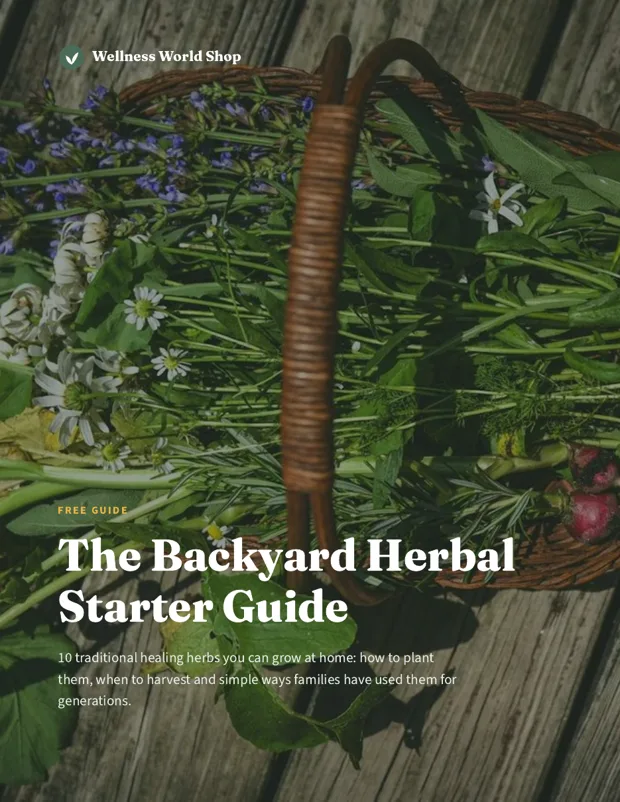
Free guide
10 healing herbs you can grow at home
Get our printable Backyard Herbal Starter Guide free: planting, harvesting and safety notes for chamomile, calendula, echinacea and more.