Home › Buying guides
Best survival and food storage books for beginners: what's worth buying
Short answer: the best survival books for beginners start free. Print the Ready.gov emergency supply list and the USDA Complete Guide to Home Canning first. If you want one paid book on top, pick The Lost Frontier Handbook for broad, everyday self-reliance skills or The Lost SuperFoods if your main goal is a deeper pantry. Prices below were checked on the official pages on November 17, 2026.

Search for the best survival books and you'll find wilderness manuals and novels. If your goal is getting through a power outage or a tight month with food and water, the useful books are about pantries, water and simple home skills. We haven't tested these books ourselves; this guide compares what the official pages and our reviews say, and it starts with options that cost nothing.
Quick comparison
| Ready.gov emergency supply list | Free printable checklist from the federal government. Best first step for everyone. |
|---|---|
| Red Cross survival kit list | Free page with clear water and food amounts. |
| USDA Complete Guide to Home Canning | Free on NCHFP; US$ 25.00 in print at Purdue Extension (checked on November 17, 2026). Best for anyone who cans. |
| The Lost Frontier Handbook | Physical book plus 3 digital bonuses, 60-day guarantee. Best all-in-one beginner read. We couldn't confirm today's price, so check the official page. |
| The Lost SuperFoods | US$ 37.00 total for the physical and digital edition on the official order page, 60-day guarantee (checked on November 17, 2026). Best for building a long-lasting pantry. |
Start free: the official guides
Before you buy anything, print the Emergency Supply List from Ready.gov. It's the checklist the federal government offers, and the site suggests taking a printed copy to the store. Ready.gov recommends one gallon of water per person per day for several days, for drinking and sanitation, plus at least a several-day supply of non-perishable food.
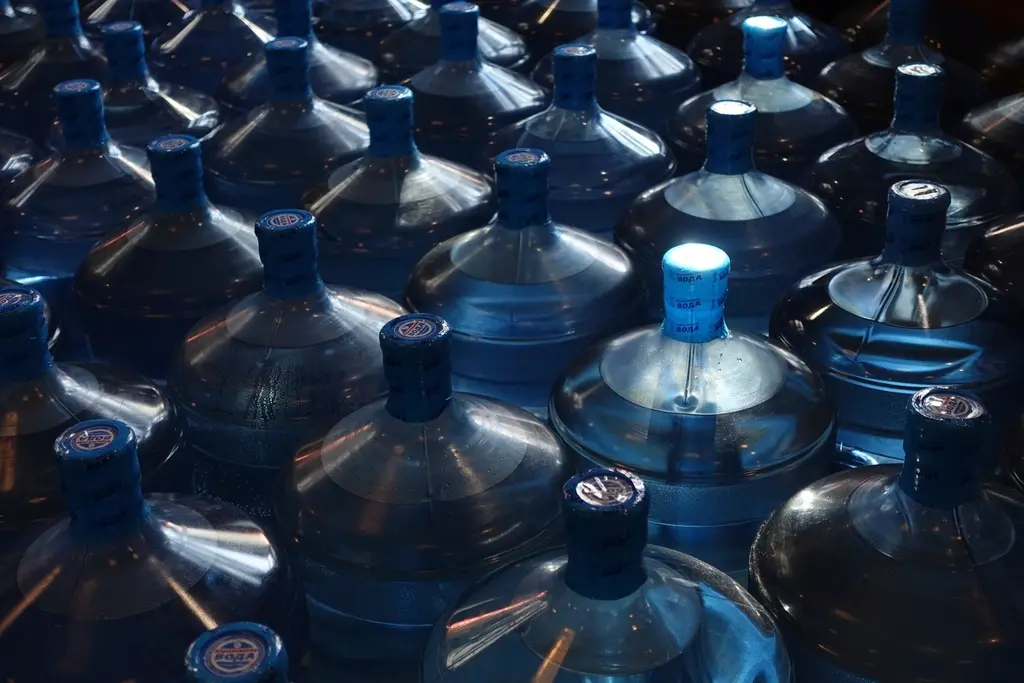
The American Red Cross is more specific: one gallon of water per person per day, with a 3-day supply for evacuation and a 2-week supply for home, and the same 3-day and 2-week targets for non-perishable, easy-to-prepare food. For the water part in detail, see our guide on how to store emergency water at home.
Who it's for: everyone, especially if money is tight. Skip it? There's no good reason to; it's the foundation every paid book builds on.
For anyone who cans: the USDA guide
If you plan to can food, the USDA Complete Guide to Home Canning (2015 revision) is the reference that tested recipes come from. It's free on the National Center for Home Food Preservation (NCHFP) website in seven parts. NCHFP points readers who want a bound copy to Purdue Extension, which sells it as a 196-page, full-color, spiral-bound book for US$ 25.00.
The University of Georgia also sells So Easy to Preserve, a 388-page book (6th edition) covering canning, pickling, jams, freezing and drying. Its order page didn't show a price we could confirm today, so check it there.
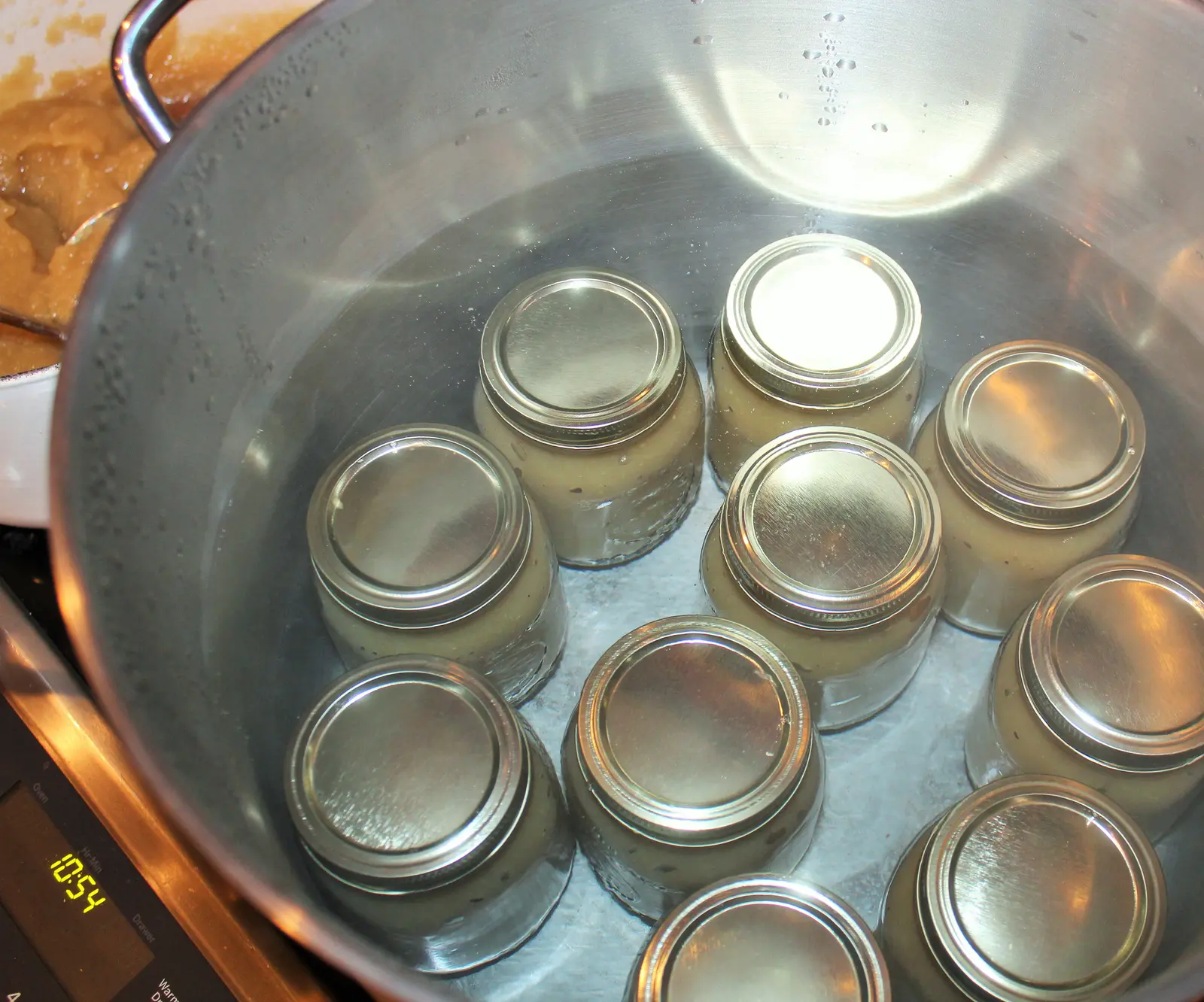
Skip it if you'll never can at home. Brand new to canning? Our water bath canning guide for beginners walks through the first batch.
Free printable: water bath or pressure canner?
One page to keep next to your books: which foods go in which canner, the "don't can" list, tomato acid amounts and pressure by elevation.
Get the free cheat sheet →Based on USDA guidance · printable PDF
The Lost Frontier Handbook: the broad beginner pick
The Lost Frontier Handbook is an illustrated physical book about the skills earlier generations used every day: food preservation, keeping food cold without power (root cellars, evaporative cooling), long-lasting foods, a simple charcoal water filter, homestead skills and budget tips. The official page lists three digital bonuses and a 60-day money-back guarantee through ClickBank.
Who it's for: busy families who want one book that touches food, water and home skills without extreme scenarios. Skip it if you're already an experienced homesteader, or you want deep, step-by-step depth on a single topic. Its old-time remedies don't replace medical care, and its preservation methods should be paired with tested USDA guidance.
The Lost SuperFoods: the pantry pick
The Lost SuperFoods focuses on food: more than 100 long-lasting foods and preservation techniques, historical rations, wild edibles and a gradual, low-cost approach to stocking up. On November 17, 2026, the official Digistore24 order page showed US$ 37.00 total for the physical and digital edition, with a 60-day money-back guarantee.
Who it's for: people who cook from scratch and want a pantry that lasts beyond store-bought cans. Skip it if you want zero effort or mainly need water and kit planning, which the free guides cover better. Anything involving canning should still follow tested USDA recipes.
Which one should you pick?
- On a zero budget: Ready.gov list, Red Cross page and the free USDA canning guide. That's a complete start.
- You can, or want to: add the printed USDA guide (US$ 25.00) before any other book.
- You want one book for the whole household: The Lost Frontier Handbook.
- You care most about food that lasts: The Lost SuperFoods.
- You have a yard and want projects: look at our Self-Sufficient Backyard review instead.
Frequently asked questions
What are the best survival books for beginners?
For most families, the best starting point is free: the Ready.gov Emergency Supply List and the USDA Complete Guide to Home Canning. If you want a paid book, The Lost Frontier Handbook is the broadest beginner read and The Lost SuperFoods is the most food-focused.
What is the best food storage book?
For safe canning, the USDA Complete Guide to Home Canning, free on NCHFP or US$ 25.00 in print from Purdue Extension (checked on November 17, 2026). For long-lasting pantry foods beyond canning, The Lost SuperFoods covers more than 100 foods and methods.
How much water and food should a beginner store?
The Red Cross recommends one gallon of water per person per day, with a 3-day supply for evacuation and a 2-week supply for home, and the same targets for non-perishable food.
Prices and offers were checked on the official pages on November 17, 2026 and can change. Some links go to our reviews; if you buy through a review, we may earn a commission at no extra cost to you (see our affiliate disclosure). Ready.gov, the Red Cross, USDA, NCHFP, Purdue and the University of Georgia are not affiliated with us and don't endorse any product here. This article is educational and isn't medical advice.
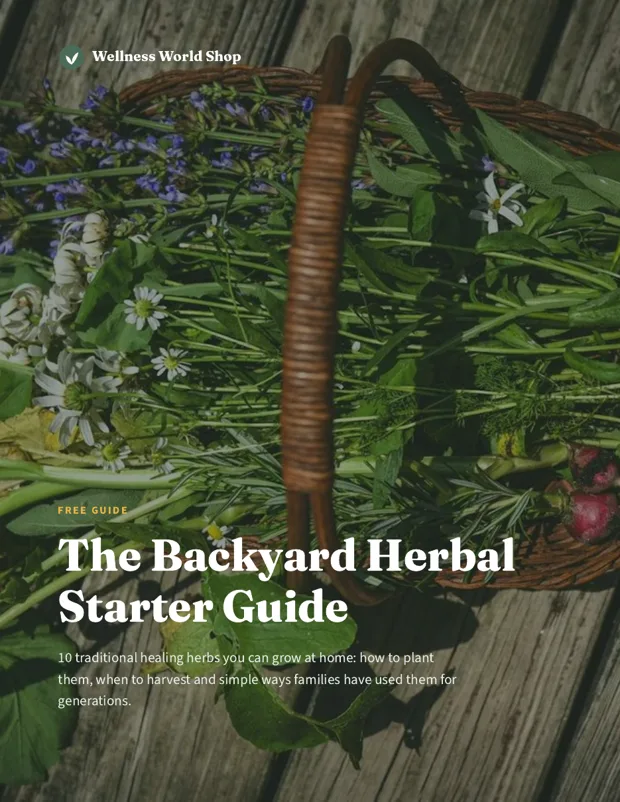
Free guide
10 healing herbs you can grow at home
Get our printable Backyard Herbal Starter Guide free: planting, harvesting and safety notes for chamomile, calendula, echinacea and more.