Home › Homesteading
Is The Self-Sufficient Backyard book worth it? Book vs free extension guides
Short answer: The Self-Sufficient Backyard is worth paying for if you want one illustrated plan that ties together a greenhouse, water, a garden, chickens and off-grid power. If you only want to grow vegetables, can food safely or keep a few hens, free university extension guides cover the basics at no cost. Many beginners are better off starting free and buying the book later.
If you search for "is the Self-Sufficient Backyard book worth it," you will find mostly sales pages. Here is a plain comparison with what you can get for free from public universities and the USDA, using pages we checked on November 26, 2026.
What the book is and what it costs
The Self-Sufficient Backyard is a project book by Ron and Johanna Melchiore, who describe living off the grid since the late 1970s. Our full review lists what the official page promises: a greenhouse, rainwater and wells, food growing and storage, backyard chickens, off-grid power and a set of DIY projects, plus three digital bonuses.
For a price that does not come from a seller we earn from, we checked the Mother Earth News Store, which says it is an approved distributor of the title. On November 26, 2026 it listed the 266-page paperback at $37.00 ($34.99 for members) and showed it as on backorder. The official sales page also offers a digital edition and a refund window; we could not re-check it today, so confirm the current price, format and terms there before you order.
What you can get free
Free does not mean thin. Each of these is a public resource we opened and read on November 26, 2026:
- Canning and preserving: the USDA Complete Guide to Home Canning (2015 revision) is free at the National Center for Home Food Preservation, split into an introduction and seven parts, including vegetables, meat and pickled foods. Our water bath canning guide is a gentler starting point.
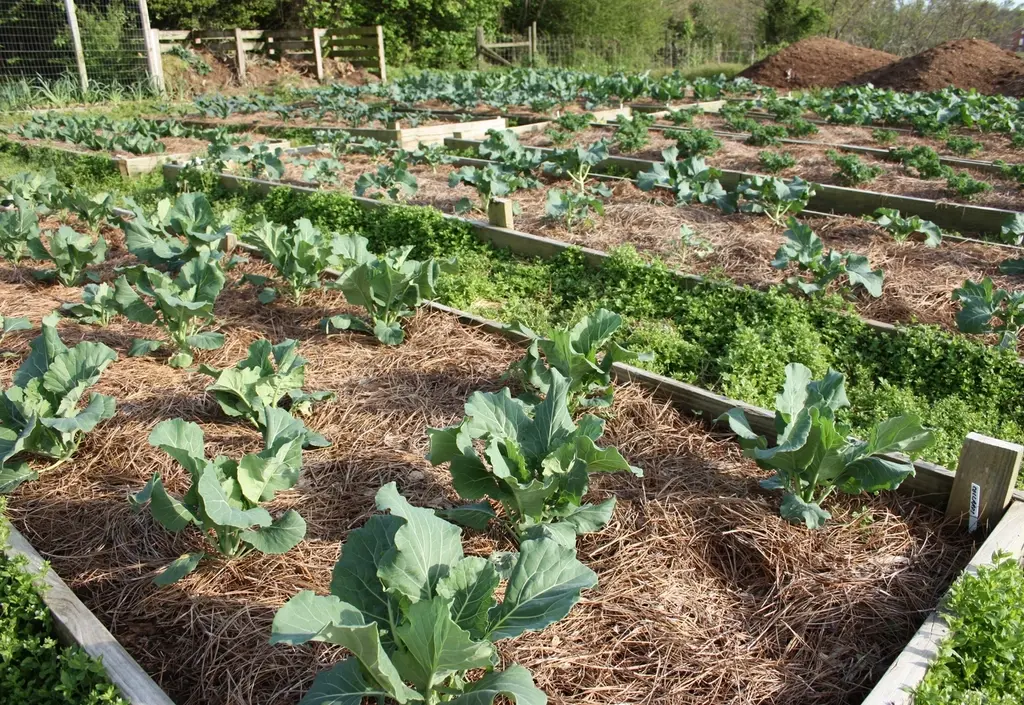
- Vegetable gardening: NC State Extension's beginner guide covers choosing a site, soil preparation, containers and raised beds, planting and mulching. It says most vegetables need at least eight hours of direct sun and that your county extension office can supply a soil test kit.
- Backyard chickens: the University of Maryland Extension fact sheet on raising a home flock tells you to check local, county, state and federal zoning rules first, and reminds you that a flock needs daily care, including weekends and holidays.
What we did not find in these three guides is a single plan that links them, or anything on off-grid power. That linked plan is what the book sells.
Book or free guides: side by side
| Cost | Book: $37.00 list at the store we checked (digital and print options on the official page). Free guides: $0. |
|---|---|
| Style | Book: one illustrated, project-based plan from one couple. Free guides: separate, topic-by-topic fact sheets from universities and USDA. |
| Food safety | Free USDA/NCHFP guidance is the standard for canning. A book is not a replacement for it. |
| Climate | Free guides are often written for a state or region. The book's methods come from a cold Canadian climate, so adapt them to your zone. |
| Support | Free guides point you to your county extension office. The book's official page lists a money-back guarantee. |
Who should buy, and who should skip
- Buy the book if you have a yard, enjoy building things and want one connected plan instead of five separate guides.
- Use the free guides if you are just starting a garden, want to can safely or want to know whether chickens are allowed where you live.
- Skip both for now if you rent with no outdoor space or have not checked local rules on coops, rain barrels or solar. Start with a few pots instead.
Free: Canning Cheat Sheet
A one-page reference for safe home canning, based on USDA and NCHFP guidance. Free whichever way you decide.
Get the free cheat sheet →Free PDF · no purchase needed
Safety notes before any project
Battery banks, solar and wiring carry real fire and shock risks, so have a licensed electrician review anything connected to your home. Check local rules before building a coop, a greenhouse or a rainwater system. For preserving low-acid foods and meat, follow tested USDA guidance, not a general homesteading book. If you are weighing other titles, see our comparison of survival and food storage books for beginners.
Frequently asked questions
Is the Self-Sufficient Backyard book worth it?
It can be, for someone who wants a hands-on, all-in-one plan and will actually build projects. If you only need gardening, canning or chicken basics, free extension guides may be enough.
Where can I buy it without an affiliate link?
The Mother Earth News Store lists the paperback at $37.00 (checked November 26, 2026), but it showed as on backorder. The official page sells the digital edition and bonuses.
Are free extension guides as good as a book?
For specific topics such as vegetable gardening or home canning, they are often more precise and more current. They are less likely to give you one connected plan.
Do I need a big yard for this?
No. NC State Extension notes that many vegetables grow in containers, and raised beds fit small spaces. Check local rules before adding chickens or structures.
Sources: Mother Earth News Store product page; National Center for Home Food Preservation (USDA Complete Guide to Home Canning); NC State Extension; University of Maryland Extension. Prices and contents checked on November 26, 2026 and subject to change. We did not test the book or any product. Our review page contains affiliate links; see our affiliate disclosure. This article is educational and is not professional advice.
Free guide
10 healing herbs you can grow at home
Get our printable Backyard Herbal Starter Guide free: planting, harvesting and safety notes for chamomile, calendula, echinacea and more.